Guide · 7 min
What You Eat Might Be Affecting Your Hayfever — Here's What the Science Actually Says
The real links between your diet and allergy season, minus the myths
In short
Current high-quality evidence does not support the belief that dairy consumption increases mucus production or worsens nasal symptoms in hayfever sufferers — a concept known as the 'Milk Mucus Effect' (MME). Controlled trials show no objective increase in nasal secretion volume with milk…
The idea that what you eat shapes how you sneeze isn't fringe thinking
It's a question almost every hayfever sufferer eventually asks: could changing what I eat actually make my symptoms better? You've probably heard someone swear by local honey, or been told to cut out dairy, or noticed that your nose seems worse after a run of takeaway meals. These aren't random observations — they're your body giving you signals worth paying attention to.
The science here is genuinely interesting, even if it's more complicated than the headlines usually admit. Some dietary patterns show real promise. Others are backed by little more than plausible biology and wishful thinking. And a few popular beliefs turn out to be flat-out wrong when you look at the data. Here's what the current evidence actually shows — and where it runs out.
The science: what we know, and how confident we are
The Mediterranean diet: the strongest signal in a weak field
Of all the dietary patterns studied in relation to allergic rhinitis (AR), the Mediterranean diet (MedDiet) has the most consistent evidence behind it. Several cross-sectional studies and systematic reviews — including Koumpagioti et al. (2022) and Castro-Rodriguez & García-Marcos (2017) — report that children with high MedDiet adherence have substantially lower odds of developing allergic rhinitis compared to those with low adherence: odds ratios in the range of 0.34–0.49, suggesting up to a 66% lower risk.
The landmark 2007 Cretan cohort study by Chatzi et al. was one of the first to document this relationship at a population level, linking frequent consumption of fruits, vegetables, nuts, and olive oil to reduced atopic symptoms in children. More recently, a 2023 systematic review by Panagiotou et al. explored the specific components most likely responsible, pointing to omega-3 fatty acids (abundant in oily fish), polyphenols (from olive oil and colourful vegetables), and antioxidants (from fresh fruit) as key drivers.
The mechanisms are biologically credible. Omega-3 fatty acids dampen the production of pro-inflammatory prostaglandins and leukotrienes that amplify allergic immune responses. Polyphenols like quercetin help stabilise mast cells — the cells responsible for releasing histamine during an allergic reaction. And a diet rich in fibre feeds the gut microbiome in ways that shift immune signalling away from the Th2-dominant pattern characteristic of allergy, partly through the production of short-chain fatty acids like propionate.
But here's the important caveat: almost all of this evidence is observational, predominantly from children, and measures disease prevalence rather than symptom severity. No randomised controlled trial has ever put adults on a Mediterranean diet and measured whether their Total Nasal Symptom Score (TNSS) improved compared to a control group eating a Western diet. That trial simply doesn't exist yet.
Ultra-processed foods: a consistent concern, not yet proven cause
On the other side of the dietary spectrum, multiple analyses — including a 2022 NHANES population study by Kong et al. and a 2025 systematic review by Miraglia del Giudice et al. — show a dose-dependent association between ultra-processed food (UPF) consumption and atopic outcomes including allergic rhinitis. The more UPFs consumed, the greater the risk, even after adjusting for confounders.
The proposed mechanisms are multiple and converging. Emulsifiers and additives in processed foods disrupt gut barrier integrity, potentially allowing allergen fragments to cross into systemic circulation and trigger sensitisation. High omega-6 fatty acid loads shift prostaglandin production toward pro-inflammatory PGE2, which suppresses the Th1 immune arm and amplifies Th2-driven allergic responses. Excess free sugars fuel low-grade systemic inflammation through similar pathways.
Again, though, the evidence ceiling is observational. No one has yet run a controlled trial randomising participants to high versus low UPF diets and measuring nasal symptom outcomes with validated instruments.
The timing question: can you diet your way to a better pollen season?
One of the most clinically interesting — and currently unanswerable — questions is whether starting dietary improvements four to eight weeks before your pollen season kicks in could reduce peak-season symptoms. The logic is sound: immunological changes driven by diet take time to manifest, and the gut microbiome reshapes itself over weeks, not days.
There's suggestive evidence from nutraceutical trials — probiotics, quercetin, omega-3 supplements — that pre-seasonal administration can modestly reduce symptoms. A 2013 RCT by Ivory et al. showed that oral probiotic administration induced measurable changes at the nasal mucosa following allergen challenge. A 2021 RCT by Anania et al. found that a probiotic mixture containing Bifidobacterium animalis reduced AR symptoms in children over a controlled period.
But no trial has specifically tested a whole-diet pre-seasonal protocol using standardised symptom outcomes like TNSS or the Rhinoconjunctivitis Quality of Life Questionnaire (RQLQ) during peak pollen season. The pre-seasonal dietary window remains one of the most compelling untested hypotheses in hayfever management.
Local honey: biologically implausible for most people
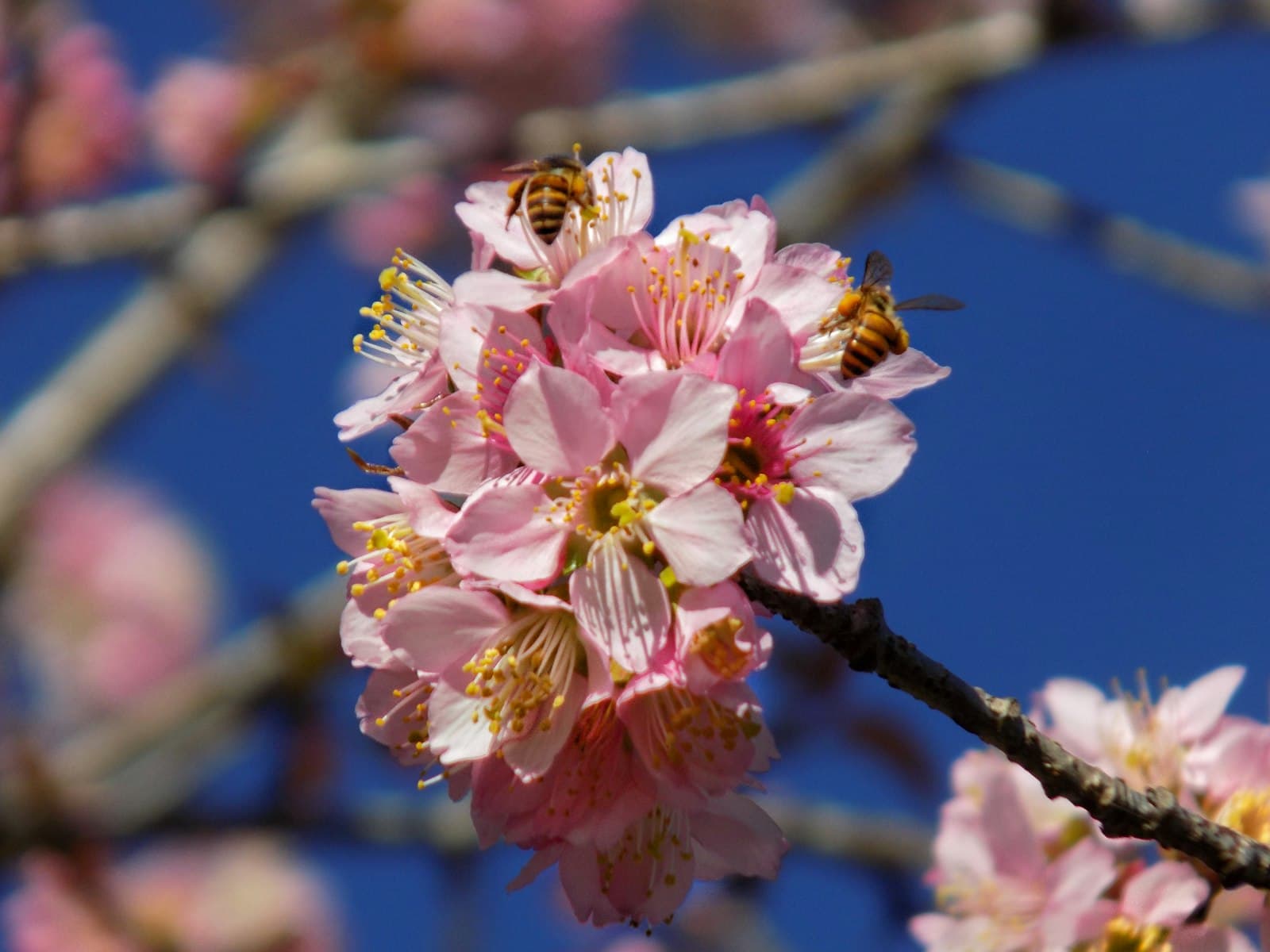
The local honey theory is appealing: consume small amounts of local pollen via honey and gradually desensitise your immune system, much like oral immunotherapy. But there's a fundamental biological problem. Hayfever is predominantly triggered by wind-borne (anemophilous) pollens — grasses, birches, plantain, and nettles. Local honey contains insect-borne (entomophilous) pollens from flowering plants like lavender and clover. These are largely irrelevant to your allergic sensitisation profile.
A 2010 birch pollen honey pilot RCT by Saarinen et al. did show modest symptomatic benefit in birch-allergic patients consuming birch-pollen-enriched honey — which at least addresses the right pollen type — but the study was small and pilot-level only. A 2013 Malaysian RCT by Asha'ari et al. found some short-term benefit as an antihistamine adjunct, but a 2020 systematic review concluded there is no credible evidence supporting honey for AR. No study has used immunological endpoints like skin-prick reactivity or allergen-specific IgE to test for genuine desensitisation.
Capsaicin: intranasal yes, dietary no
Spicy food fans will find the capsaicin story interesting but ultimately disappointing for their nasal symptoms. Intranasal capsaicin — applied directly to the nasal mucosa — works by activating and then desensitising TRPV1 receptors on sensory nerve fibres, depleting neuropeptides like substance P that drive neurogenic inflammation. Clinical trials, including a small 1998 RCT by Stjärne et al., show meaningful relief lasting up to two months with repeated intranasal application.
However, this mechanism requires direct mucosal contact. Eating chilli doesn't deliver capsaicin to your nasal epithelium in meaningful concentrations via systemic absorption. There is currently no clinical evidence that dietary capsaicin consumption reduces nasal congestion in allergic rhinitis. It may briefly increase nasal secretion reflexively — a temporary flush — but this isn't therapeutic desensitisation.
Dairy and mucus: a persistent myth, largely debunked
The belief that dairy increases mucus production and worsens nasal symptoms is one of the most enduring hayfever myths. Controlled trials consistently show no objective increase in nasal secretion volume following milk consumption, and the perceived effect is now well understood as a textural illusion — milk's creamy mouthfeel mimics the sensation of mucus, leading people to perceive increased congestion that isn't physiologically present.
Perhaps most surprisingly, a large Mendelian randomisation study involving over 335,000 participants found that genetically proxied higher milk intake was associated with a modestly reduced risk of hayfever (OR ≈ 0.79). This doesn't mean you should drink more milk to treat hayfever — Mendelian randomisation establishes association, not therapeutic effect — but it strongly argues against avoiding dairy on hayfever grounds.
Hydration: intuitive, but evidentially empty
The idea that staying well-hydrated helps keep nasal mucosa functioning optimally is physiologically intuitive, but when you look for clinical evidence, there's almost nothing there. Nasal barrier dysfunction in allergic rhinitis is driven primarily by Th2 cytokines — particularly IL-4 and IL-13 — disrupting epithelial tight junction proteins like occludin and ZO-1. Systemic hydration status is not known to modulate these immune pathways. Nasal saline irrigation does demonstrably support mucociliary clearance, but that's a topical intervention, not a function of how much water you drink.
This doesn't mean hydration is irrelevant to your health — it clearly isn't. But there's currently no evidence that drinking more water specifically reduces hayfever symptom severity.
What this means for you
If you have allergic rhinitis, your diet probably matters more than conventional medical advice acknowledges — but in more nuanced ways than popular wellness content suggests. The evidence points toward a pattern-level effect: the overall inflammatory character of your diet, sustained over time, appears to influence your immune system's baseline reactivity. No single food is a hayfever cure. But consistently eating in a way that supports anti-inflammatory immune function — and consistently eating in a way that inflames it — likely shifts your symptom baseline over months and seasons.
The disappointing reality is that most of the research has been done in children, uses observational designs, and doesn't measure the clinical outcomes that matter most to you: how blocked your nose is at peak grass season, how well you're sleeping, how many antihistamines you're taking. We're working from a promising but incomplete picture.
The evidence landscape: honest confidence ratings
| Claim | Evidence strength | Confidence |
|---|---|---|
| Mediterranean diet reduces AR risk | Weak (observational only) | Low |
| Ultra-processed foods increase AR risk | Weak (observational only) | Low |
| Pre-seasonal diet reduces peak symptoms | None (untested) | Insufficient |
| Local honey desensitises to pollen | Conflicting, mostly negative | Low |
| Dietary capsaicin relieves nasal congestion | No evidence | — |
| Dairy worsens nasal symptoms | Moderate evidence against | Moderate |
| Hydration reduces AR severity | No evidence | Insufficient |
The honest position is this: diet almost certainly influences your allergic rhinitis, but the clinical science to prove how much, for whom, and via which specific mechanisms is still being built. Don't let uncertainty paralyse you — the anti-inflammatory dietary pattern is well-supported for general health even where the AR-specific evidence is thin.
What Haelo recommends
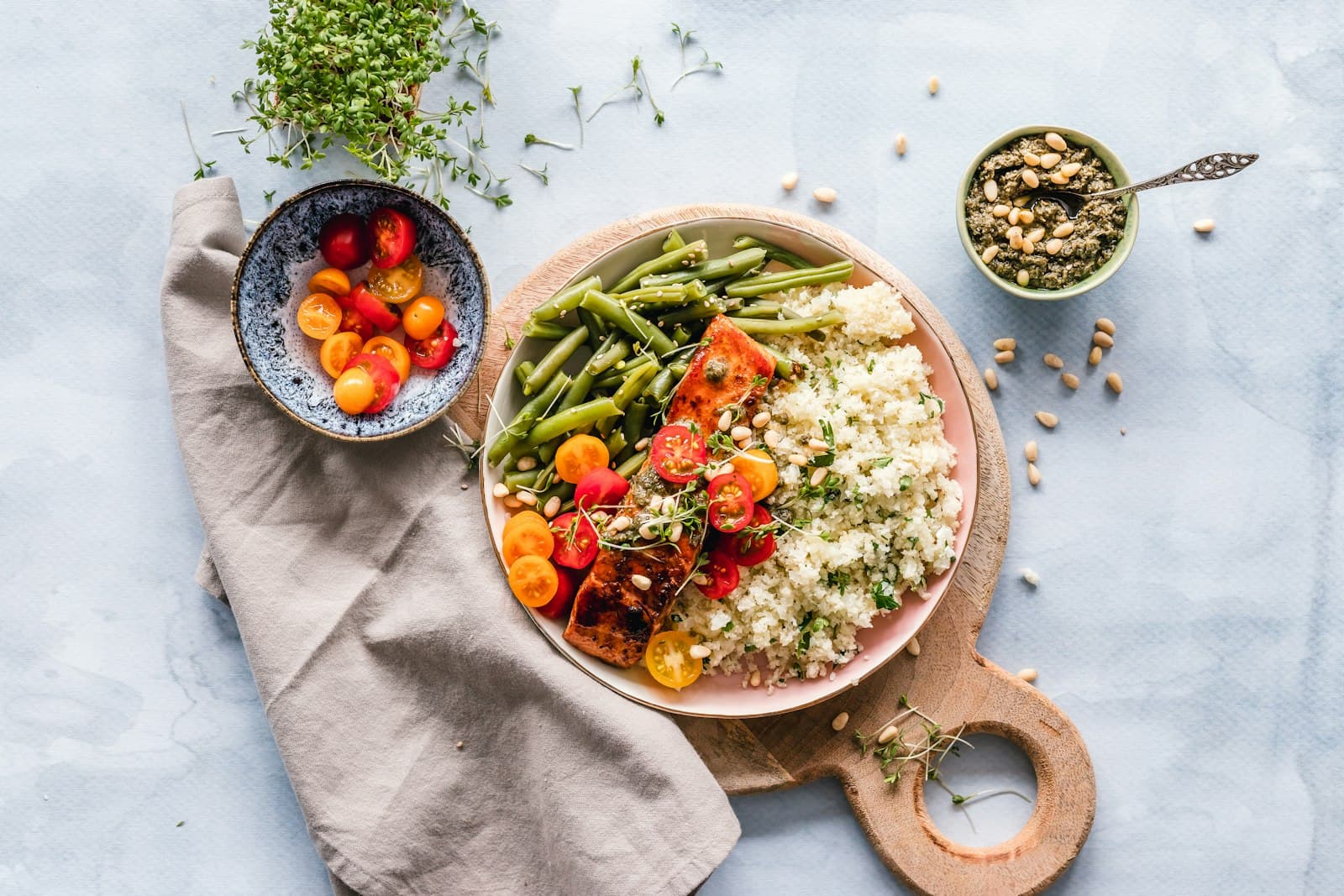
1. Shift toward a Mediterranean dietary pattern year-round — not just in season. The evidence, while observational, is consistent. More oily fish (2–3 portions per week), colourful vegetables, olive oil as your primary fat, nuts, and legumes. Think of it as reducing your immune system's background inflammation level across the year, not just a seasonal intervention.
2. Reduce ultra-processed food intake before and during your pollen season. With peak season approaching, this is a concrete, actionable step. You can't control the pollen count — but you can reduce the pro-inflammatory dietary load your immune system is managing simultaneously.
3. If you want to experiment with a pre-seasonal dietary window, start 6–8 weeks before your typical peak. There's no RCT to point you to, but the mechanistic rationale for this timing is sound. A 6–8 week window allows meaningful gut microbiome shifts and immune modulation to establish. Track your symptoms with Haelo to see if it makes a difference for you — your personal data matters.
4. Don't cut out dairy on hayfever grounds. Unless you have a confirmed milk allergy or lactose intolerance, the evidence doesn't support dairy restriction for hayfever. Dairy avoidance may even be counterproductive given the Mendelian randomisation data.
5. Skip the local honey as a treatment strategy. It's not harmful, and it may have other health benefits. But don't rely on it as a hayfever intervention — the pollen types simply don't match what's triggering your symptoms.
6. If nasal saline irrigation interests you, that's evidence-based — dietary hydration is not. Drink water because it's good for you. But if you're looking for a barrier-supporting intervention specifically for nasal symptoms, saline rinses have a proper evidence base behind them.
The science here is genuinely evolving — dietary immunology is one of the most active areas in allergy research. Haelo will update these insights as new evidence emerges.
The evidence
What the research actually says
Each answer below is drawn from a graded research review. Confidence reflects the strength of the underlying evidence, not how confident we feel about it.
Does adherence to a Mediterranean diet reduce allergic rhinitis symptom severity compared to a standard Western diet?
Observational evidence, primarily from cross-sectional studies in children, suggests that high adherence to a Mediterranean diet (MedDiet) is associated with reduced prevalence and risk of allergic rhinitis (AR) symptoms compared to lower adherence or pro-inflammatory dietary patterns. Key studies report odds ratios of 0.34–0.49 for AR in high versus average/low MedDiet adherence groups, indicating a potential 50–66% risk reduction. However, no randomized controlled trials have directly compared MedDiet to a standard Western diet using validated symptom severity scales (e.g., TNSS, RQLQ), meaning the evidence addresses disease prevalence rather than symptom severity per se.
How it works
The MedDiet's high content of fruits, vegetables, nuts, olive oil, and fish is hypothesized to reduce AR symptom burden primarily through antioxidant activity that attenuates oxidative stress in airway tissues, and through anti-inflammatory effects (e.g., omega-3 fatty acids, polyphenols) that may suppress Th2-skewed immune responses; conversely, Western diet components such as margarine and trans-fats are thought to promote pro-inflammatory signaling that exacerbates atopic responses. Gut microbiome modulation and specific pathway activation (e.g., Nrf2, short-chain fatty acid production) are proposed but remain unquantified in the available AR literature.
Confidence: low
Does a Western diet high in ultra-processed foods increase the risk or severity of allergic rhinitis?
Observational evidence from systematic reviews, cross-sectional analyses (e.g., NHANES 2005–2006), and case-control studies consistently links high ultra-processed food (UPF) and Western diet consumption to increased allergic rhinitis (AR) risk, particularly in children and young women. The NHANES data showed dose-response increases in atopic outcomes across UPF tertiles, and an Iranian case-control study found significant AR risk elevation with Western dietary patterns after confounder adjustment. However, causality remains unestablished, as the evidence base relies predominantly on observational designs with heterogeneous UPF definitions and largely self-reported outcomes.
How it works
UPFs promote AR risk through multiple converging pathways: emulsifiers, additives, and excess free sugars disrupt gut microbiome composition and intestinal barrier integrity ('leaky gut'), facilitating allergen sensitization and Th2 immune skewing central to AR pathogenesis. Simultaneously, high omega-6 fatty acid loads in processed foods drive arachidonic acid metabolism toward pro-inflammatory leukotrienes and prostaglandins (e.g., PGE2) that suppress Th1 and amplify Th2 responses, while additives such as MSG and AGEs may directly trigger or augment allergic sensitization.
Confidence: low
Does dietary optimisation starting 4–8 weeks before pollen season reduce peak-season allergic rhinitis symptom burden?
No direct evidence from RCTs or systematic reviews demonstrates that dietary optimisation initiated 4–8 weeks before pollen season reduces peak-season allergic rhinitis symptom burden. Available intervention evidence is limited to nutraceutical supplements (probiotics, quercetin, spirulina, omega-3 fatty acids) administered during or across seasons, showing modest benefits in some trials, but none specifically test a pre-seasonal dietary loading protocol. Observational and epidemiological data associate Mediterranean-style and high-fiber dietary patterns with lower AR risk or incidence, but these do not address symptomatic burden during peak season.
How it works
Proposed mechanisms centre on the gut-immune axis, whereby high-fiber diets promote microbial production of short-chain fatty acids (e.g., propionate) that dampen type 2 airway inflammation, while omega-3 fatty acids, polyphenols (quercetin), and vitamins A/D modulate Th1/Th2 balance and mast cell activity. These pathways plausibly require weeks of sustained dietary change to exert immunomodulatory effects, but this temporal hypothesis remains untested in prospective pre-seasonal designs.
Confidence: insufficient
Do anti-inflammatory dietary patterns reduce allergic rhinitis symptom scores independently of their effect on the gut microbiome?
Current evidence does not robustly establish that anti-inflammatory dietary patterns reduce allergic rhinitis symptom scores independently of gut microbiome modulation. The available data are predominantly observational, linking lower Dietary Inflammatory Index scores to reduced AR risk via suppression of pro-inflammatory cytokines (IL-1β, IL-6, TNF-α, CRP) and elevation of anti-inflammatory mediators, but no RCTs have isolated these effects from concurrent microbiome changes. The available literature is heavily weighted toward gut microbiome, probiotic, and immunotherapy studies rather than whole-diet intervention trials measuring validated symptom endpoints such as TNSS or RQLQ.
How it works
Anti-inflammatory dietary patterns are proposed to modulate systemic immune responses directly by reducing pro-inflammatory cytokine cascades and oxidative stress through bioactive compounds (e.g., omega-3 fatty acids, polyphenols, antioxidants), potentially stabilizing mast cells and dampening Th2-skewed immune responses independently of gut flora changes. However, since diet profoundly shapes the gut microbiome, disentangling these two pathways mechanistically remains methodologically unresolved in existing studies.
Confidence: low
Does consuming local honey reduce pollen sensitisation or hayfever symptom severity?
Current evidence does not support local honey as an effective treatment for reducing pollen sensitisation or hayfever symptom severity. While a small number of RCTs (including one Malaysian trial and a birch pollen honey pilot study) suggest modest short-term symptomatic improvement when honey is used adjunctively with antihistamines, these findings are inconsistent, methodologically limited, and do not extend to demonstrating immunological desensitisation. A 2020 systematic review found no credible evidence supporting honey for allergic rhinitis, and no peer-reviewed RCTs have specifically tested locally-sourced honey.
How it works
The proposed mechanism mirrors oral allergen immunotherapy, whereby trace pollen in honey induces incremental immune tolerance and suppresses IgE-mediated hypersensitivity; however, this is biologically implausible for most hayfever sufferers because local honey contains primarily entomophilous (insect-borne) flower pollen, not the anemophilous (wind-borne) grass, tree, and weed pollens responsible for the majority of allergic rhinitis cases.
Confidence: low
Do spicy foods (capsaicin) provide temporary relief from nasal congestion in allergic rhinitis?
Intranasal capsaicin demonstrates clinically meaningful relief of nasal congestion and other rhinitis symptoms, primarily through a desensitization mechanism, but evidence is considerably stronger for non-allergic rhinitis (NAR) than for allergic rhinitis (AR) specifically. A Cochrane-style review of AR found no clear therapeutic effect from the limited RCT data available, while a small 1998 RCT (Stjärne et al.) did show reduced allergen challenge symptoms lasting up to 2 months after intranasal capsaicin treatment. Critically, all evidence pertains to intranasal administration; there is no clinical evidence that dietary (oral) capsaicin consumption provides meaningful nasal congestion relief in AR.
How it works
Capsaicin activates TRPV1 receptors on sensory C-fibers and A-delta fibers in the nasal mucosa, causing an initial release of neuropeptides such as substance P, followed by receptor desensitization and neuropeptide depletion with repeated exposure, thereby reducing neurogenic inflammation and nasal hyperresponsiveness. This localized mucosal mechanism requires direct nasal contact and is not replicated by systemic absorption from dietary intake.
Confidence: low
Does dairy consumption increase mucus production or worsen nasal symptoms in hayfever sufferers?
Current high-quality evidence does not support the belief that dairy consumption increases mucus production or worsens nasal symptoms in hayfever sufferers — a concept known as the 'Milk Mucus Effect' (MME). Controlled trials show no objective increase in nasal secretion volume with milk consumption, and a large Mendelian randomization study (n=335,107) found genetically proxied higher milk intake was actually associated with modestly reduced hayfever risk (OR=0.791 for drinkers vs. non-drinkers). The perceived link appears to be a sensory illusion driven by milk's creamy texture mimicking mucus sensation, as blinded studies found similar subjective reports with both cow's milk and soy milk.
How it works
No validated biological mechanism exists by which dairy increases airway mucus in typical consumers; the perceived effect is likely a textural/sensory artifact rather than a physiological one. In rare cases involving milk allergy or sensitivity to A1 β-casein-derived β-casomorphin-7, inflammatory pathways could theoretically promote mucus, but this is not linked to allergic rhinitis or hayfever specifically.
Confidence: moderate
Does adequate hydration affect mucosal barrier function and allergic rhinitis symptom severity during pollen season?
No direct clinical evidence links adequate hydration to improvements in nasal mucosal barrier function or allergic rhinitis symptom severity during pollen season. The available literature focuses on immune-mediated barrier disruption (driven by Th2 cytokines such as IL-4 and IL-13 reducing tight junction proteins like occludin and ZO-1) and barrier-enforcing interventions such as nasal saline irrigation, not systemic fluid intake. One older study observed reduced stratum corneum hydration in allergic rhinitis patients, but this reflects a systemic atopic skin phenotype rather than establishing a causal hydration-symptom relationship.
How it works
Nasal epithelial barrier dysfunction in allergic rhinitis is driven primarily by cytokine-mediated disruption of tight junctions and increased epithelial permeability, mechanisms that are not known to be modulated by systemic hydration status. While adequate mucosal surface hydration theoretically supports mucociliary clearance and mucus viscosity, no mechanistic studies have isolated systemic fluid intake as a variable in this pathway.
Confidence: insufficient
Where the evidence runs out
No RCTs exist that directly randomize participants to a MedDiet versus a Western diet and measure AR symptom severity with validated instruments, and virtually all current evidence is cross-sectional, pediatric-focused, and reliant on food frequency questionnaires prone to recall bias. Critical mechanistic data—including cytokine profiling, microbiome compositional shifts, and dose-response relationships between specific MedDiet components and AR symptom scores—are entirely absent from the current literature. No large-scale longitudinal RCTs or prospective cohort studies have directly assessed AR incidence or severity as a primary endpoint in relation to UPF intake, and validated objective AR measures (e.g., nasal provocation, IgE profiling) are largely absent from existing studies. Critical mechanistic gaps remain around direct microbiome-to-AR immune pathway confirmation in humans, dose-response thresholds for AR severity specifically, and whether effects are driven by UPF components (e.g., emulsifiers, fructose) individually or synergistically. No RCT has specifically evaluated a pre-seasonal dietary intervention window (4–8 weeks prior to pollen season) using standardised symptom outcomes such as TNSS or RQLQ during peak season, leaving the core clinical question entirely unanswered. Future trials must distinguish between dietary pattern interventions and isolated nutraceutical supplementation, incorporate pre-seasonal timing, and measure in-season symptom burden as a primary endpoint. No RCTs have been designed to isolate the direct, microbiome-independent effects of anti-inflammatory dietary patterns on validated AR symptom scores; all proposed cytokine-mediated mechanisms are inferred from observational studies or surrogate biomarker data without controlling for concurrent microbiome shifts. Future trials should include parallel gut microbiome profiling alongside symptom score outcomes to partition dietary effects into microbiome-dependent and microbiome-independent components. No adequately powered, high-quality RCTs have tested genuinely local honey matched to a patient's specific regional pollen profile, and no studies have used immunological endpoints (e.g., skin prick test reactivity, allergen-specific IgE titres) to assess desensitisation. Long-term safety data, standardised dosing, and head-to-head comparisons with established immunotherapy are entirely absent from the literature. There is a critical lack of large, high-quality RCTs specifically in allergic rhinitis populations; existing AR-focused reviews are based on very few small, low-quality trials. No evidence exists for dietary capsaicin as a delivery route, and head-to-head comparisons with standard AR therapies (e.g., intranasal corticosteroids, antihistamines) are absent. No RCTs have directly quantified rhinitis-specific biomarkers (e.g., nasal eosinophil counts, nasal nitric oxide) in hayfever patients consuming dairy, leaving a small but real evidential gap for this specific subgroup. Lactose-intolerant individuals and those with confirmed milk allergy or IgE-mediated dairy sensitivity remain understudied, and the potential protective mechanism suggested by Mendelian randomization data has not been mechanistically elucidated. No peer-reviewed randomized controlled trials or observational studies have directly examined the relationship between fluid intake volume, systemic hydration status, and nasal mucosal barrier integrity or allergic rhinitis symptom scores during pollen season. This represents a fundamental evidence gap, and current clinical recommendations around hydration in allergic rhinitis remain anecdotal and unsupported by quantitative data.
References
- 1.Chatzi L, Apostolaki G, Bibakis I, et al. · 2007 · Protective effect of fruits, vegetables and the Mediterranean diet on asthma and allergies among children in Crete
- 2.Koumpagioti D, Boutopoulou B, Moriki D, et al. · 2022 · Does Adherence to the Mediterranean Diet Have a Protective Effect against Asthma and Allergies in Children? A Systematic Review
- 3.Panagiotou E, Andreou E, Nicolaou S, et al. · 2023 · The Effect of Dietary Components of the Mediterranean Diet on Food Allergies: A Systematic Review
- 4.Castro-Rodriguez JA, García-Marcos L · 2017 · What Are the Effects of a Mediterranean Diet on Allergies and Asthma in Children?
- 5.Kong W, Xie Y, Zhong J, et al. · 2022 · Ultra-processed foods and allergic symptoms among children and adults in the United States: A population-based analysis of NHANES 2005–2006
- 6.Miraglia del Giudice M, Dinardo G, Grella C, et al. · 2025 · Ultra-Processed Foods and Respiratory and Allergic Diseases in Childhood: Epidemiological Evidence and Mechanistic Insights
- 7.Ivory K, Wilson AM, Sankaran P, et al. · 2013 · Oral Delivery of a Probiotic Induced Changes at the Nasal Mucosa of Seasonal Allergic Rhinitis Subjects after Local Allergen Challenge: A Randomised Clinical Trial
- 8.Saarinen K, Jantunen J, Haahtela T · 2010 · Birch Pollen Honey for Birch Pollen Allergy – A Randomized Controlled Pilot Study
- 9.Gevorgyan A, Segboer C, Gorissen R, et al. · 2015 · Capsaicin for non-allergic rhinitis
- 10.Wüthrich B, Schmid A, Walther B, et al. · 2005 · Milk Consumption Does Not Lead to Mucus Production or Occurrence of Asthma
- 11.Anania C, Di Marino VP, Olivero F, et al. · 2021 · Treatment with a Probiotic Mixture Containing Bifidobacterium animalis Subsp. Lactis BB12 and Enterococcus faecium L3 for the Prevention of Allergic Rhinitis Symptoms in Children: A Randomized Controlled Trial
- 12.Yang M, Sun L, Zhu D, et al. · 2023 · Recent advances in understanding the effects of T lymphocytes on mucosal barrier function in allergic rhinitis
This article is general information about hayfever, not medical advice. It should not replace guidance from your GP, pharmacist or allergy specialist — particularly if you are pregnant, treating a child, or managing asthma alongside hayfever. Read our medical disclaimer.