Quick read · 2 min
Local Honey Won't Help Your Hayfever
Why a beloved folk remedy falls at the first biological hurdle
In short
Why a beloved folk remedy falls at the first biological hurdle
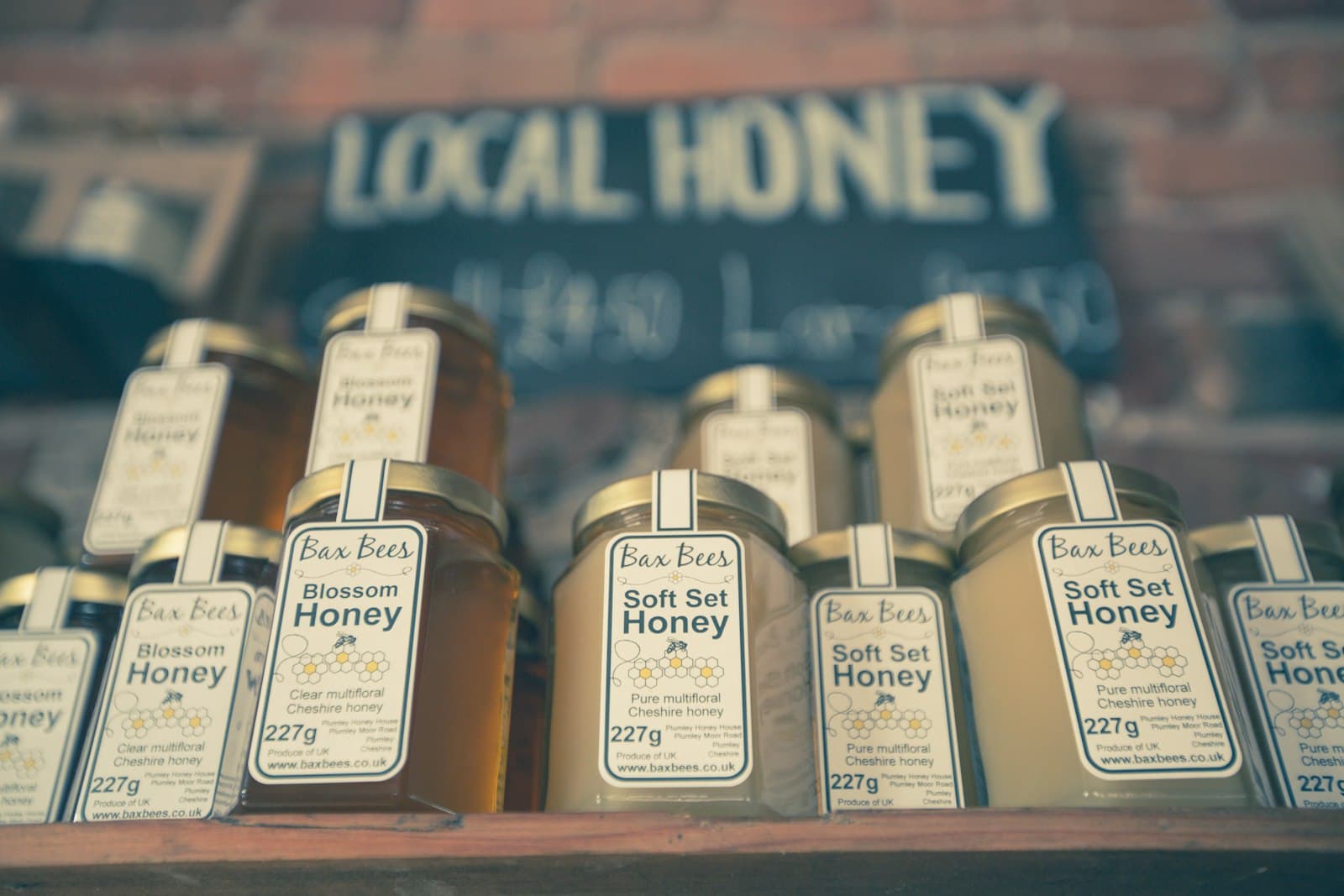
Local honey is one of those ideas so appealing you almost want it to be true. It isn't — and the reason why tells you something useful about how hayfever actually works.
The logic goes: eat honey made near you, get a low-dose hit of local pollen, train your immune system to ignore it. Neat in theory. The problem is that bees and hayfever sufferers are collecting entirely different things. Bees forage from flowers that rely on insects for pollination — these are called entomophilous plants, and their pollen is sticky, heavy, and designed to hitch a ride on a bee. The pollen that triggers hayfever — from grasses, birch, and mugwort — is wind-pollinated: light, airborne, and completely uninteresting to bees. The two pollen types carry different proteins. Eating one tells your immune system nothing useful about the other.
The most-cited evidence in honey's favour comes from a 2011 Finnish pilot study that did show some symptom improvement — but the researchers used honey deliberately spiked with concentrated birch pollen extract, not ordinary supermarket or farmers'-market honey. That's closer to a form of oral immunotherapy than a kitchen remedy, and even that small trial hasn't been consistently replicated. A 2020 systematic review found no credible evidence supporting honey for allergic rhinitis at standard doses.
So where should that jar of honey money go? Three things with actual evidence behind them: a saline nasal rinse to physically clear the grains before they trigger a response, an antihistamine timed to your exposure (evening dosing improves next-morning coverage), and a HEPA filter in your bedroom to cut overnight load while you sleep.
If you genuinely enjoy local honey, eat it — just not as a treatment plan.
The evidence
What the research actually says
Each answer below is drawn from a graded research review. Confidence reflects the strength of the underlying evidence, not how confident we feel about it.
Does consuming local honey reduce pollen sensitisation or hayfever symptom severity?
Current evidence does not support local honey as an effective treatment for reducing pollen sensitisation or hayfever symptom severity. While a small number of RCTs (including one Malaysian trial and a birch pollen honey pilot study) suggest modest short-term symptomatic improvement when honey is used adjunctively with antihistamines, these findings are inconsistent, methodologically limited, and do not extend to demonstrating immunological desensitisation. A 2020 systematic review found no credible evidence supporting honey for allergic rhinitis, and no peer-reviewed RCTs have specifically tested locally-sourced honey.
How it works
The proposed mechanism mirrors oral allergen immunotherapy, whereby trace pollen in honey induces incremental immune tolerance and suppresses IgE-mediated hypersensitivity; however, this is biologically implausible for most hayfever sufferers because local honey contains primarily entomophilous (insect-borne) flower pollen, not the anemophilous (wind-borne) grass, tree, and weed pollens responsible for the majority of allergic rhinitis cases.
Confidence: low
Which foods cross-react with birch pollen allergens?
Birch pollen allergens, particularly Bet v 1 (a PR-10 pathogenesis-related protein), cross-react with homologous proteins in a wide range of foods including Rosaceae fruits (apple, pear, peach, cherry), Apiaceae vegetables (carrot, celery), nuts (hazelnut, almond), and legumes (soy, peanut), causing pollen-food allergy syndrome (PFAS)/oral allergy syndrome (OAS) in an estimated 70% of birch-sensitized individuals. Secondary cross-reactivity via Bet v 2 (profilin) occurs in approximately 10-15% of birch-allergic patients and broadens the implicated food spectrum. Reactions are typically mild and localized to the oropharynx due to the heat-labile nature of these proteins, which are degraded by cooking and gastric digestion.
How it works
IgE antibodies raised against Bet v 1 recognize structurally homologous PR-10 proteins in foods (e.g., Mal d 1 in apple, Cor a 1 in hazelnut, Gly m 4 in soy, Ara h 8 in peanut) due to high amino acid sequence identity (>40-60%), triggering mast cell degranulation at oral mucosal surfaces. Cross-reactive T-cell responses to these food homologues, as demonstrated for Bet v 1 and Mal d 1, further amplify and sustain the allergic sensitization.
Confidence: high
References
- 1.Saarinen K, Jantunen J, Haahtela T · 2010 · Birch Pollen Honey for Birch Pollen Allergy – A Randomized Controlled Pilot Study
- 2.Asha'ari ZA, Ahmad MZ, Din W et al. · 2013 · Ingestion of honey improves the symptoms of allergic rhinitis: evidence from a randomized placebo-controlled trial in the East Coast of Peninsular Malaysia
- 3.10.59720/19-093
- 4.10.1016/S1081-1206(10)61996-5
- 5.Bohle B · 2007 · The impact of pollen-related food allergens on pollen allergy
- 6.Fritsch R, Bohle B, Vollmann U et al. · 1998 · Bet v 1, the major birch pollen allergen, and Mal d 1, the major apple allergen, cross-react at the level of allergen-specific T helper cells
- 7.10.1016/S0091-6749(00)90186-6
- 8.10.1159/000070430
- 9.10.3950/JIBIINKOKA.113.661
This article is general information about hayfever, not medical advice. It should not replace guidance from your GP, pharmacist or allergy specialist — particularly if you are pregnant, treating a child, or managing asthma alongside hayfever. Read our medical disclaimer.